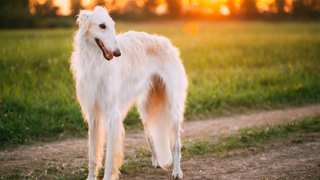
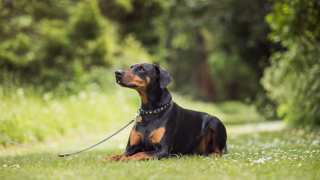
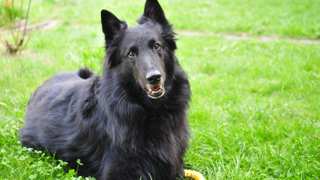
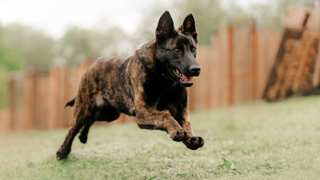
As an active and athletic breed, Native American Indian Dog exercise requirements are fairly extensive. Since they've been utilized as working animals for centuries, NAIDs are intelligent and task-oriented, and will need a variety of activities that stimulate them mentally as well as physically. They also make excellent jogging and bicycling companions.
The typical adult NAID, depending on its age and overall activity level, will need about 60 minutes of proper exercise per day--and you can accomplish this with a couple of walks, jogs, or bike rides and a period of play. You can start exercising your NAID puppy at three months old by taking it on short (5- to 7-minute) walks, then you can increase the walks' length and frequency as the puppy grows.
A few things to keep in mind when exercising your Native American Indian Dog: first, puppies younger than nine months old shouldn't participate in activities that include a lot of jumping, running on hard surfaces, or navigating of stairs, as doing so can injure their still-developing joints and bones. And regardless of age, all NAIDs will need to be leashed when in public. These dogs have high prey drives, and will chase interesting-looking critters--birds, squirrels, cats, even small dogs--if given the chance; because of their descendancy from wolves, these dogs can also have instinctual urges to escape. A leash will help you control your NAID in these situations. Even when exercising in your own yard, the area will need to be securely fenced to keep the dog from running off.
Precautions aside, it's important to exercise your NAID every single day. If bored or restless, these dogs will become frustrated and high-strung, disobedient, and destructive--and at the worst, they'll escape to freedom. Consistent exercise will be good for your NAID's peace of mind, and for your own sanity as well. A few exercise ideas:
- Walking/Jogging/Bicycling: Two 30-minute walks (or 20-minute jogs or bike rides) per day is a good target
- Fetch/Frisbee: These dogs will chase a ball, stick, or Frisbee for hours
- Tug-of-War: Great indoor, rainy-day activity; use a rope or old towel
- Sled Pulling: Perfect for families living in snowy regions
- Canine Sports: NAIDs can excel in agility trials, flyball, cart-pulling, and other events
- Hiking: Excellent bonding activity; the dog can even carry the backpack
If your NAID spends a lot of time indoors, it's a good idea to give the dog access to one or more balls or toys that will allow it to burn excess energy. It's also recommended that you establish a regular exercise schedule for the dog, such as walks, jogs, or bike rides after breakfast and dinner and a play period in the afternoon.