Bull Jack Care

The Bull Jack (BJ)--a hybrid of a Bulldog and a Jack Russell Terrier--is an interesting crossbreed. These medium-sized dogs can be energetic like the Jack Russell, laid-back like the Bulldog--or somewhere in between. Regardless, BJs are normally friendly and fun-loving, and make great family pets. Overall Bull Jack care and maintenance won't take a ton of work, but will need to include some daily exercise.

Below you'll find plenty of details on caring for a Bull Jack, including info about puppy development, exercise needs, diet and nutrition, and more. Get answers to your questions about raising a Bull Jack in the following sections!

Bull Jack Exercise Needs

As the offspring of two breeds with different energy levels, Bull Jack exercise requirements can be a mixed bag. These dogs can be super-active like the Jack Russell Terrier, or fairly low-energy like the Bulldog--or somewhere in between. In any case, BJs will need activities that provide both physical and mental stimulation.

Adult BJs, depending on their overall activity levels, will need about 45 minutes of dedicated exercise per day. You can start exercising your Bull Jack puppy at three months old by taking it on short walks, then you can increase the walks' length as the pup grows.

Precautions with Bull Jack exercise:

  • Don't exercise puppies too hard before they're nine months old
  • A leash is required when exercising in public
  • Yards should be securely fenced to keep the dog from running off
  • Might overheat easily if short-nosed like the Bulldog; don't exercise in sweltering temps

It's important to exercise your Bull Jack every day. Regardless of their energy levels, these dogs are friendly and enthusiastic--and without consistent activity they'll become frustrated, disobedient, and destructive. Regular exercise will be great for the dog's peace of mind! A few exercise ideas:

  • Walking: Two 15-minute walks per day is a good target
  • Fetch/Frisbee: BJs usually love chasing a ball, stick, or Frisbee
  • Tug-of-War: Great indoor activity; use a rope or old towel
  • Canine Sports: BJs can excel at obedience or agility trials and other events
  • Dog Park: If properly socialized, BJs enjoy the company of other dogs
  • Hiking: Excellent bonding activity; bonus if you can find a remote area where the dog can be off-leash

When indoors, give your Bull Jack access to balls or toys that allow the dog to burn excess energy. It's also good to have a regular exercise schedule for the dog, such as walks after breakfast and dinner and playtime in the afternoon.

Bull Jack Maintenance

In terms of overall maintenance, these hybrids need moderate care. Bull Jack shedding is fair, and year-round; drooling is a minor issue.

Bull Jacks usually have short, smooth coats that shed moderately all year long. Owners can brush their Bull Jacks once or twice per week with a bristle brush to keep the shedding to a minimum, and hair cleanup--vacuuming the floors, and lint rollers on clothes and furniture--will be necessary once in a while. Otherwise, not much coat care is required.

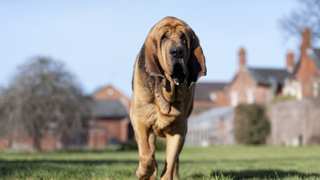
And since its Bulldog parent is prone to drooling, a Bull Jack might drool some in anticipation of food, after drinking water, or when especially excited or nervous--but the drooling likely won't be heavy or frequent like that of a Saint Bernard or Bloodhound. If your Bull Jack is drooling excessively, it may be a sign of a medical issue, in which case a veterinarian's care is needed.

Bull Jack Diet

The Bull Jack diet will need to include animal proteins, carbs, vitamins, minerals, and omega fatty acids--nutrients every dog needs to maintain its health in the long term. This means the best Bull Jack dog food is premium dry kibble, as it has balanced portions of the above-listed ingredients.

Recommended brands include Blue Buffalo, Royal Canin, and Taste of the Wild--all of which have excellent lines of premium dry food.

Adult Bull Jacks, depending on their size, age, and activity levels, will need about 2½ cups of dry food per day, divided into two meals. Bull Jack puppies will need a bit less: again depending on age, about 1¾ cups per day, divided into three meals (not two) until six months of age.

For more info on feeding a Bull Jack from puppyhood through maturity, see this feeding chart:

Feeding Chart
Dog AgeDog WeightFood TypeAmountFrequency2 Months5 lbsDry (Puppy formula)0.33 cups3x/day3 Months10 lbsDry0.4 cups3x/day6 Months20 lbsDry0.6 cups3x/day9 Months25 lbsDry* (Puppy/Adult)1 cup2x/day12 Months+30 lbsDry (Adult formula)1.25 cups2x/day

*--Around this time, transition to adult food by mixing in adult formula with the puppy formula, in slowly increasing amounts, for one week.

Try if possible to stick to the above-listed amounts. If constantly over-fed (and under-exercised), these dogs will easily become overweight--and a fat Bull Jack will have numerous health problems and a potentially shortened lifespan. You can help control your Bull Jack's weight by having consistent feeding and exercise schedules, by not feeding the dog table scraps, and by not leaving food in the dog's bowl all the time.

If you're worried your Bull Jack is overweight, try this simple test: run a hand along the dog's side, and if you can't feel any ribs, it's diet time--which means less food and more exercise!

Similar Breeds

About this Article

Authored by:Dog-Learn
Updated:September 6, 2019
Menu